
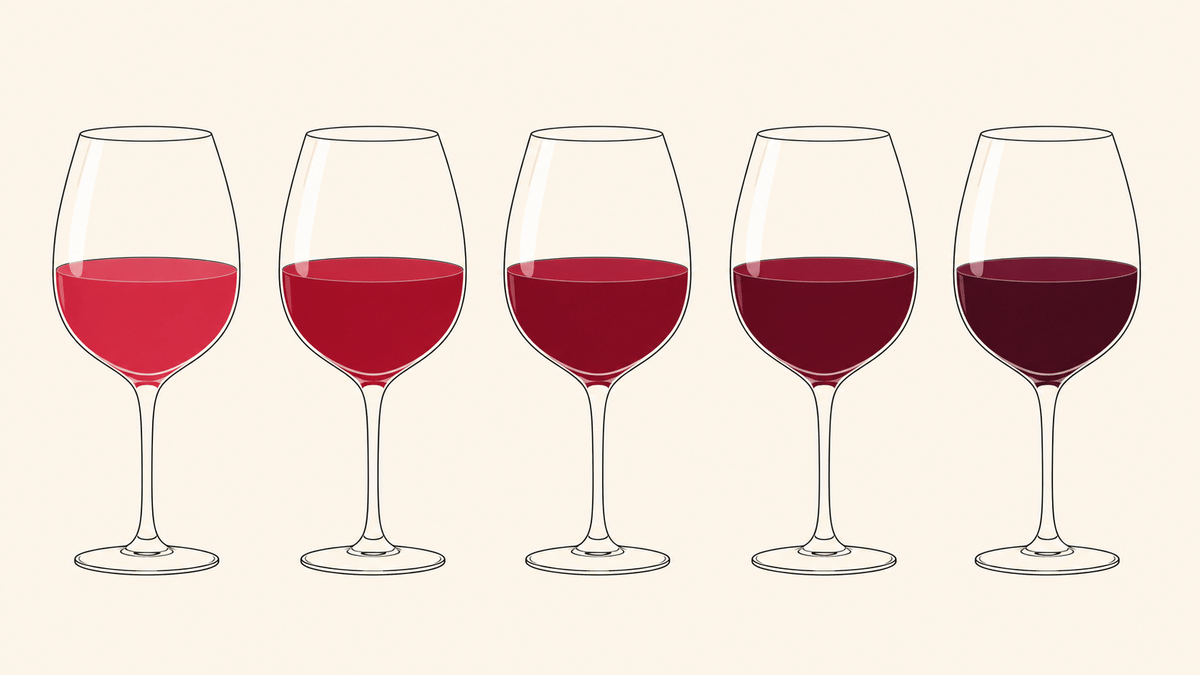
Wines Similar to Pinot Noir: 6 Wines to Try If You Love Pinot Noir
If you love Pinot Noir, here are six wines to try next: Frappato, Beaujolais, Cinsault, Mencía, Etna Rosso, and Red Burgundy. They all share what makes Pinot Noir special, light to medium body, bright acidity, silky texture, and earthy and floral notes that make it elegant, graceful, silky, and sometimes delicate. Each one offers something a little different, and each one is worth exploring. Here is what to expect from each, and which one to grab first depending on what you already love about Pinot Noir.
The place to start: Oregon Pinot Noir
Oregon Pinot Noir
Willamette Valley, OregonLight to medium body, high acidity, silky tannins. Cherry, mushroom, and rose petal. The red wine that drinks like it has something to say.
We picked Oregon Pinot Noir as the anchor wine because it is consistently the most Burgundy-like Pinot Noir in the U.S., and it drinks the way a Pinot Noir is supposed to. Light to medium body. Bright cherry. A little forest floor. Soft tannins which some describe as velvety. Yum. Different from most California Pinot Noirs, Pinot Noirs from Oregon's Willamette Valley should be your reference point if you want to start with an authentic Pinot Noir experience.
Episode 215: Experts Loved the $50 Oregon Pinot Noir. We Chose the $23 Bottle!
Bonus. Episode 190: Spätburgunder: High QPR Pinot Noir!
Why these six wines are similar to Pinot Noir
What ties these wines together is what makes Pinot Noir, well, Pinot Noir. Light to medium body. High acidity. Soft, rounded tannins. Red fruit (cherry, strawberry, cranberry) over dark fruit (blackberry, plum). And almost always, something that is not fruit at all... earthy notes that remind you of a forest, floral aromas that are often called perfumed, a mineral edge that can be steely or like a wet stone, and a touch of spice.
What the six wines do not share is country, grape, or price. Three are Italian, one is French (technically two), one is Spanish, one is from southern France. The grapes range from Gamay to Nerello Mascalese to Mencía, and the prices run from twelve bucks to forty-five (or more).
The 6 wines, lightest to most ambitious
1. Frappato (Sicily, Italy)
Frappato
Sicily, ItalyEven lighter than Pinot Noir, with a floral lift and bright red berry fruit. Strawberry, pomegranate, rose petal. Sicily's most delicate red.
What you'll recognize from Pinot Noir: The lightness and the flowery aroma. Frappato is considered a featherweight red with the same bright acidity and red fruit profile (think raspberry, cherry, and strawberry) as a good Pinot Noir, served slightly chilled if you want. It is not heavy, jammy, or oaky. It is a fun, refreshing, and often playful wine that many people love.
What's different: Frappato is more floral than earthy. Where Pinot Noir gives you mushroom and forest floor, Frappato gives you rose petal and pomegranate. It is also lighter still, the body is genuinely almost non-existent.
Try this if: You like your Pinot Noir on the lighter, fruitier end. Frappato is a great choice.
2. Beaujolais (Beaujolais, France)
Beaujolais
Beaujolais, FranceLighter than Pinot Noir, higher-toned fruit, almost no tannin. Strawberry, violet, cherry. The one you can serve slightly chilled.
What you'll recognize from Pinot Noir: The food-friendliness. A good Beaujolais (made from the Gamay grape) does the same magic Pinot Noir does at the table. It does not overpower the food. Instead, it complements the food and brings out its more elegant side. Bright cherry, low tannin, high acid, very easy to drink.
What's different: Less earth, more fruit. Beaujolais can almost be considered the more cheerful of the two, a little more strawberry candy, a little less mushroom. The structure is also softer. If Pinot Noir is the friend who makes thoughtful comments about the dinner, Beaujolais is the friend who makes everyone laugh. Worth knowing: Loire Gamay (Gamay de Touraine) drinks in the same lane and runs even cheaper, hunt it down if you find a wine shop that stocks it.
Try this if: You want the easiest, cheapest entry into the Pinot Noir family of wines, and you do not mind that it is technically a different grape.
3. Cinsault (Southern France / South Africa)
Cinsault
Southern France / South AfricaSilky and fresh, low tannin, high acid. Strawberry, red cherry, dried herbs. Closest in feel to Pinot Noir in an easygoing mood. Good slightly chilled.
What you'll recognize from Pinot Noir: That silky, almost weightless texture. Cinsault has the same delicate mouthfeel as Pinot Noir and the same red fruit core. It also takes a slight chill well, which is the kind of thing a Pinot Noir drinker really enjoys, especially on hot days.
What's different: A herbal note, like poultry seasoning, that Pinot Noir does not have. Where Pinot Noir leans earthy, Cinsault leans dried-herb. It is also rarer in the U.S., you have to find a shop that stocks it. South African Cinsault is having a moment and is worth seeking out.
Try this if: You like Pinot Noir but want something a touch warmer, with a little Mediterranean character.
4. Mencía (Bierzo / Ribeira Sacra, Spain)
Mencía
Bierzo / Ribeira Sacra, SpainSpain's answer to Pinot Noir territory. Same body and acidity, with a mineral edge and more grip. Cherry, violet, wet stone. Worth knowing.
What you'll recognize from Pinot Noir: The structure, almost exactly. Medium body, medium tannin, high acidity, floral on the nose, mineral on the finish. Mencía from Bierzo or Ribeira Sacra (the steep, slatey vineyards in northwest Spain) drinks like a Pinot Noir, but offers a richer flowery aroma. Of all the wines on this list, Mencía is the closest match to Pinot Noir in terms of how the wine actually feels in your mouth.
What's different: A little more grip on the tannins than your average Pinot Noir, and a stonier, more mineral edge in place of Pinot Noir's mushroom-forward earthiness. Mencía also tends to over-deliver for the price. You can find serious Mencía under twenty-five dollars.
Try this if: You want the closest match to Pinot Noir on this list without paying Pinot Noir prices.
5. Etna Rosso (Mount Etna, Sicily, Italy)
Etna Rosso
Mount Etna, Sicily, ItalyPinot Noir's volcanic Italian cousin. Same weight class, sharper acidity, a distinct mineral tension from the Mt. Etna soil. Tastes like somewhere specific.
What you'll recognize from Pinot Noir: The transparency. Etna Rosso (made primarily from Nerello Mascalese) is one of the only other red wines in the world that gets called "Burgundian" and deserves it. Pale color, high acid, restrained fruit, and some even say you can taste the volcano. It is sometimes called a thinking person's wine, the same way a good Burgundy is.
What's different: Volcanic minerality. Etna Rosso tastes like the soil it grew in, which happens to be black volcanic ash. There is a smoky, ashy, almost gunflint quality you do not get in Pinot Noir. The acidity is also slightly higher, which makes it remarkable with food.
Try this if: You like Pinot Noir for its earthiness and its sense of place, and you want to taste something more rustic.
Episode 199: Italian Wine Adventure #21: Etna Rosso!
6. Red Burgundy (Burgundy, France)
Red Burgundy
Burgundy, FranceThe original. Same grape as Oregon Pinot Noir, older soil, cooler climate, more forest floor than fruit. The one everything else gets compared to.
What you'll recognize from Pinot Noir: Everything. Red Burgundy is Pinot Noir. The only reason we did not start with this wine is because it can be expensive. Very expensive. The grape, the silkiness, the cherry-and-forest-floor profile, all of it. This is the wine that made every other Pinot Noir on every other continent want to be Pinot Noir.
What's different: A finer line. Red Burgundy at the village level (the lower end of "real" Burgundy) is more delicate, more structured, and more savory than most New World Pinot Noir. It is less fruit-forward and more about texture, balance, and what the French call "tension," that taut, energetic feeling that good Burgundy has and that costs real money to get right. Be warned, the entry point starts where Oregon Pinot Noir leaves off, and the ceiling is the moon.
Try this if: You have been drinking Pinot Noir for a while and you are ready to find out what people mean when they call something "Burgundian." This is the next step if you are willing to pay the price.
What to eat with Pinot Noir (and these six wines)
Pinot Noir is one of the most food-friendly red wines on the planet because of three things: low tannin, high acid, and moderate alcohol. That combination plays well with proteins that get pushed around by bigger reds. Salmon, duck, roast chicken, mushroom risotto, anything earthy. The same is true for every wine on this list. Beaujolais and Cinsault are even better with picnic food (charcuterie, sandwiches, fried chicken). Mencía and Etna Rosso love grilled lamb and roast pork. Red Burgundy is at its best with duck, period. Frappato will make a tomato pasta sing.
If you have been pairing Pinot Noir with steak and finding it underwhelming, that is not Pinot Noir's fault. That is just the wrong job for the wine.
Listen to our episodes on Pinot Noir
We have done many episodes on Pinot Noir from lots of different places around the world. Here are links to some more episodes in addition to the ones we have links to above so you can learn more!
Episode 178: High QPR Pinot Noir from South America!
Episode 169: Costco Kirkland Signature 2022 Willamette Valley Pinot Noir Challenge!
Episode 138: High QPR Pinot Noir #5! (Learning about Australia Pinot Noir)
Here is where you can find all of our episodes on Pinot Noir!
FAQ
Q. Is Pinot Noir similar to Sangiovese (Chianti)?
A. They are in the same neighborhood. Both are medium-bodied, high-acid, food-friendly reds with red fruit (cherry, cranberry) and a savory edge. The differences: Sangiovese has more tannin, a tart cherry and tomato-leaf character that Pinot Noir does not have, and tends to be a little more rustic. If you like Pinot Noir, a good Chianti Classico is a very natural next bottle to try.
Q. What is the cheapest wine that drinks like Pinot Noir?
A. Beaujolais. A good Beaujolais-Villages or Cru Beaujolais (Morgon, Fleurie, Brouilly) under twenty dollars will give you the food-friendliness, the bright cherry, and the soft tannins you love about Pinot Noir, often for less than half the price.
Q. What wine is closest to Pinot Noir?
A. Mencía from northwest Spain (Bierzo or Ribeira Sacra) is the closest match in terms of how the wine actually feels in your mouth: medium body, medium tannin, high acidity, floral on the nose, mineral on the finish. It is also a great value, with serious bottles available under twenty-five dollars.
Q. Is Beaujolais the same as Pinot Noir?
A. No. Beaujolais is made from the Gamay grape, not Pinot Noir. They are close cousins in style, both light, bright, food-friendly reds, but they come from different grapes grown about an hour apart in eastern France. The two regions even share a winemaking border.
Q. Is Burgundy always Pinot Noir?
A. Red Burgundy is always Pinot Noir. White Burgundy is always Chardonnay. (Beaujolais, which is technically inside greater Burgundy, is the exception, that is Gamay.) If a bottle says "Bourgogne Rouge," "Gevrey-Chambertin," "Pommard," "Volnay," or any other Burgundian commune name, it is Pinot Noir.
Q. Why is Pinot Noir more expensive than other reds?
A. Pinot Noir is hard to grow. The grape is famously thin-skinned, sensitive to weather, prone to rot, and only really delivers in a handful of climates. That scarcity, plus the demand from drinkers who fall in love with the style, keeps prices up.
Q. What food pairs best with Pinot Noir?
Salmon, duck, roast chicken, mushroom dishes, and aged cheese. Pinot Noir's high acidity and low tannin let it work alongside food without overpowering it. Avoid steak unless the Pinot is on the bigger side (some California Pinots can handle it).
Q. Is Pinot Noir a good red wine for beginners?
A. Yes. It is one of the best places to start because the tannins are soft (no chalky, drying feeling), the alcohol is moderate, and the flavors are familiar (cherry, strawberry). It is also one of the few reds that pairs well with chicken and fish, which makes it less intimidating at the dinner table.